
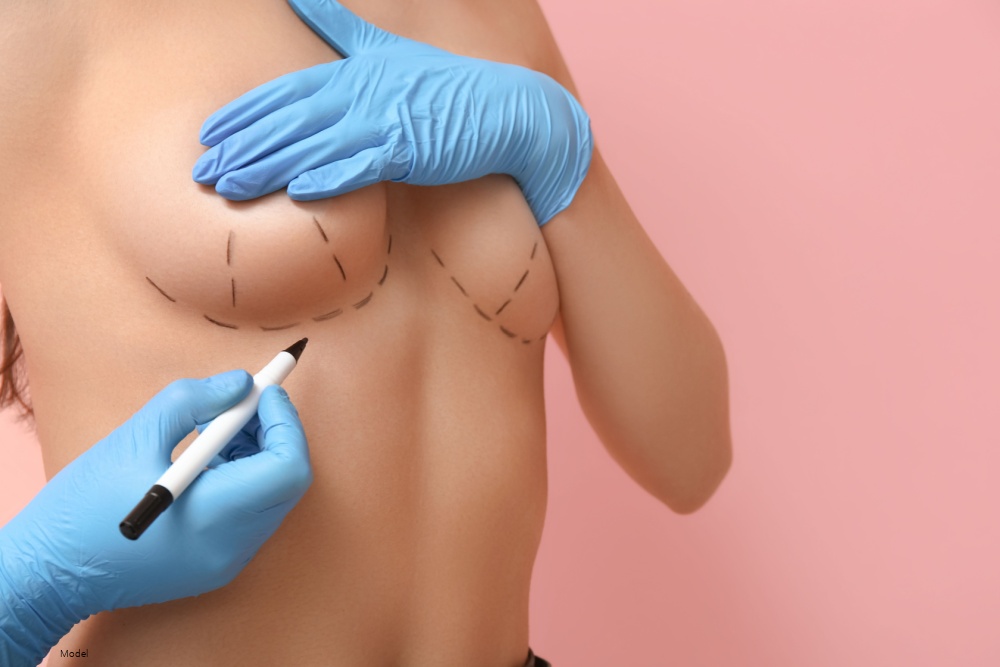
Fat transfer to the breasts offers a natural alternative to implants by using your own fat to enhance shape and volume. Many patients like the idea of a more natural look and feel, but one question comes up consistently during consultation: Does fat transfer to the breasts last?
The short answer is yes: fat transfer results can last long term; however, the outcome depends on how much fat survives the initial healing phase and how the body responds over time. Understanding what is permanent and what may change helps patients make informed decisions.
How Fat Transfer Works Over Time
Fat transfer to the breasts involves removing fat from donor areas through liposuction, processing it, and injecting it into the breast tissue. Once transferred, fat cells must establish a new blood supply to survive.
Fat cells that successfully integrate into the tissue become part of the living breast tissue. These cells behave like natural fat anywhere else in the body. Fat cells that fail to establish circulation do not survive, and the body absorbs them naturally during the first few months.
This early period determines long-term results.
What Portion of Fat Is Permanent?
In most patients, about 50–70% of the transferred fat survives. This surviving fat becomes permanent. Once the body completes the healing and absorption process, the remaining fat stays in place.
Final results typically stabilize between three and six months after the procedure. After that point, patients can expect the retained fat to last for years.
Why Some Volume Loss Is Normal
It’s important to understand that early fullness does not represent the outcome. Swelling and temporary fat retention create a fuller appearance right after surgery. As healing progresses, swelling subsides, and non-surviving fat disappears.
This process does not mean the procedure failed. Surgeons plan for this expected reduction and focus on achieving smooth, even fat distribution rather than maximizing volume immediately.
What Affects How Long Fat Transfer Lasts
Several factors influence long-term durability.
Surgical technique plays a significant role. Gentle fat harvesting, careful processing, and precise injection improve survival. Placing fat in small amounts throughout well-vascularized tissue supports long-term retention.
Patient health and lifestyle also matter. Smoking reduces blood flow and can negatively affect fat survival. Maintaining a stable weight supports consistent results.
Breast tissue quality affects integration. Healthy tissue with good circulation provides a better environment for fat survival.
Does Weight Change Affect Fat Transfer Results?
Yes. Transferred fat behaves like natural fat. Significant weight loss may reduce breast volume, while weight gain can increase it. Moderate, stable weight helps maintain consistent results.
This characteristic appeals to many patients who want breasts that change naturally with their body rather than remaining fixed like implants.
Is Fat Transfer Permanent Compared to Implants?
Fat transfer does not require implant replacement or maintenance. Once fat survives, it does not expire. However, fat transfer typically provides a modest increase in size, often up to about one cup size per session.
Patients seeking larger or more dramatic volume may need multiple fat transfer sessions or may choose implants instead. Longevity remains strong for the fat that survives, but expectations must align with achievable volume.
How Dr. Chiu Approaches Long-Term Fat Transfer Results
During the consultation, Dr. Gabriel Chiu evaluates donor fat availability, breast anatomy, circulation, and patient goals. He designs a surgical plan that prioritizes fat preservation and natural contour over short-term fullness.
This approach supports long-lasting results and reduces the risk of irregularities or unnecessary revisions.
Who Benefits Most From Fat Transfer to the Breasts?
Fat transfer works best for patients who want a natural look, subtle volume enhancement, and improved breast shape without implants. Patients must have enough donor fat and understand that results develop gradually.
Those seeking a significant increase in size may benefit more from breast implants or a combined approach.
Learn More About Breast Augmentation Options
Fat transfer represents one of several ways to enhance the breasts. To explore all available options, visit the breast augmentation page on Dr. Chiu’s website.
Schedule a Fat Transfer Consultation in Beverly Hills
Understanding whether breast fat transfer lasts helps patients make confident decisions. Dr. Gabriel Chiu provides personalized consultations to discuss expected longevity, fat survival, and whether this approach fits your goals.
To schedule a consultation, call (310) 888-8087 or complete the online consultation form at Beverly Hills Plastic Surgery. Our team will guide you through your options with clarity and care.