
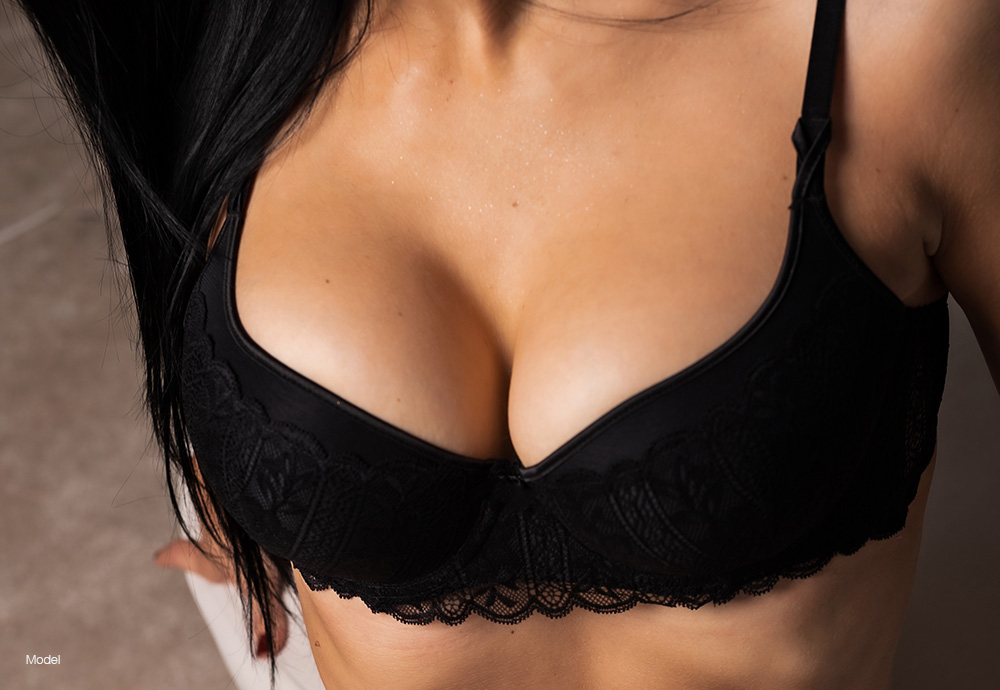
Fat transfer to the breasts offers a natural alternative to implants for patients who want subtle enhancement. This procedure uses your own fat to increase volume and improve contour. While many patients like the idea of avoiding implants, fat transfer is not the right choice for everyone.
Understanding the pros and cons of fat transfer to breasts helps you decide whether this approach aligns with your body, goals, and expectations.
What Is Fat Transfer to the Breasts?
Fat transfer breast augmentation involves removing fat from areas such as the abdomen, flanks, thighs, or hips through liposuction. The surgeon processes the fat and carefully injects it into the breast tissue to enhance size and shape.
Unlike implants, fat transfer relies on living fat cells that must establish a new blood supply to survive. The results develop gradually as swelling subsides and retained fat stabilizes.
Pros of Fat Transfer to Breasts
1. Natural Look and Feel
Because the procedure uses your own fat, the breasts feel soft and natural. There is no implant shell, no foreign material, and no artificial structure. Many patients prefer this for subtle enhancement.
2. No Implants Required
Fat transfer eliminates concerns about implant rupture, implant replacement, or the need for long-term device monitoring. Once the transferred fat survives, it becomes a permanent part of the breast.
3. Dual Benefit of Body Contouring
The procedure includes liposuction to contour the donor areas. Patients often appreciate slimming the abdomen or thighs while enhancing breast volume.
4. Minimal Risk of Rejection
Since the fat comes from your own body, there is no risk of allergic reaction or rejection. The body recognizes the transferred fat as natural tissue.
5. Improved Symmetry and Shape
Fat transfer works well for correcting mild asymmetry or refining contour. It can also restore volume lost after pregnancy or weight loss.
Cons of Fat Transfer to Breasts
1. Limited Size Increase
Fat transfer typically increases breast size by about a half to one cup size per session. Patients seeking a dramatic increase may not achieve their desired results with this method alone.
2. Not All Transferred Fat Survives
On average, about 50 to 70 percent of transferred fat survives in the long term. The body absorbs the rest during the first few months. Surgeons plan carefully to account for this expected reduction.
3. Requires Adequate Donor Fat
Very lean patients may not have enough fat available for meaningful enhancement. Implant-based augmentation may offer more predictable volume in these cases.
4. Results Develop Gradually
Initial swelling creates early fullness, but final results take several months to stabilize. Patients must accept gradual improvement rather than immediate final size.
5. Possible Need for Multiple Sessions
Some patients choose a second fat transfer procedure if they want additional volume after healing has completed. This staged approach increases total cost and recovery time.
Who Is a Good Candidate for Fat Transfer?
Fat transfer to the breasts works best for patients who:
- Want subtle, natural enhancement
- Have sufficient donor fat
- Prefer avoiding implants
- Accept gradual results
- Seek contour refinement rather than a dramatic size increase
Patients seeking significant volume change or defined upper pole fullness may benefit more from implants or a combined approach.
How Dr. Chiu Helps Patients Decide
During consultation, Dr. Gabriel Chiu evaluates donor fat availability, breast anatomy, skin elasticity, and aesthetic goals. He explains realistic expectations and discusses whether fat transfer alone can achieve the desired outcome.
This individualized planning helps patients avoid disappointment and choose the approach that fits their long-term vision.
Is Fat Transfer Safer Than Implants?
Both fat transfer and implants are safe when performed by an experienced, board-certified surgeon. Each procedure carries its own risks and benefits. Fat transfer avoids implant-related complications but raises concerns about fat survival and donor site healing.
The safest choice depends on proper patient selection and surgical expertise.
Learn More About Breast Augmentation Options
Fat transfer represents one of several ways to enhance breast size and shape. To explore all available options, visit the breast augmentation page on Dr. Chiu’s website.
Schedule a Consultation in Beverly Hills
Understanding the pros and cons of fat transfer to breasts helps you make a confident decision. Dr. Gabriel Chiu provides personalized consultations to determine whether this natural approach aligns with your goals.
To schedule a consultation, call (310) 888-8087 or complete the online consultation form. Our team will guide you through your options with clarity and care.