
Fat transfer breast augmentation offers a natural way to enhance breast shape and volume using your own body fat. Patients often like the idea of avoiding implants, but they want to understand precisely how the procedure works before moving forward. Knowing each step of the process helps set realistic expectations and supports confident decision-making.
Fat transfer breast augmentation involves three main stages: fat removal, fat preparation, and fat injection. Each stage plays a critical role in achieving smooth, long-lasting results.
Step One: Harvesting Fat From Donor Areas
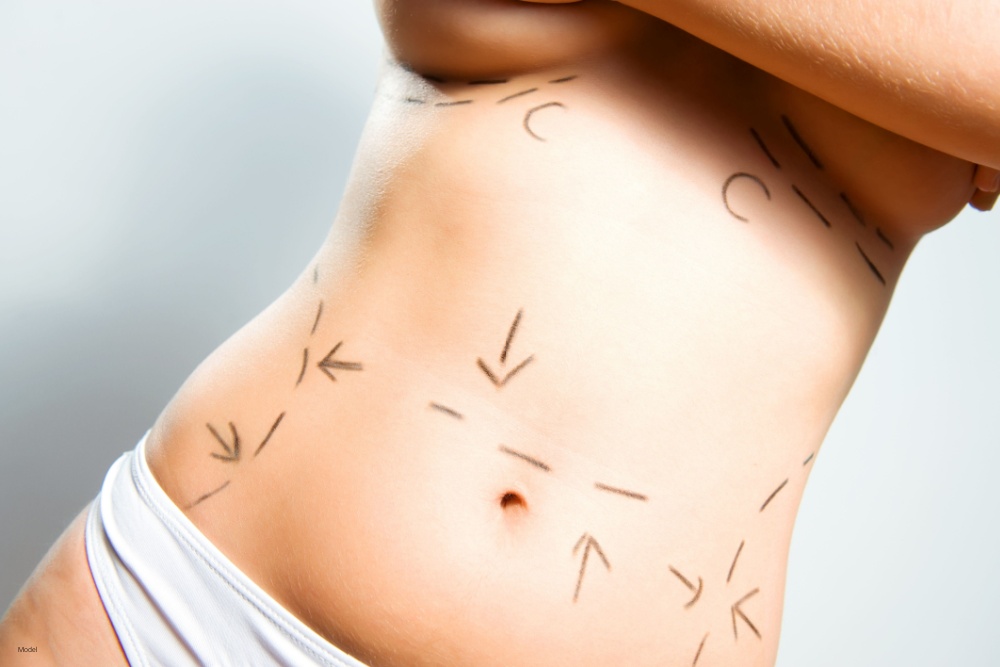
The procedure begins with liposuction. The surgeon removes fat from areas where it naturally accumulates, such as the abdomen, flanks, thighs, or hips. These donor areas often benefit from contouring, which many patients consider an advantage.
During this step, the surgeon uses gentle techniques to preserve the integrity of fat cells. Protecting the fat at this stage improves survival once the fat moves to the breasts.
Step Two: Processing and Purifying the Fat
After harvesting, the fat cannot go directly into the breasts. The surgeon must first process it to remove excess fluid, damaged cells, and impurities. This step concentrates healthy fat cells and prepares them for transfer.
Proper fat processing supports long-term retention. Clean, well-prepared fat integrates more easily into breast tissue and establishes a new blood supply more efficiently.
Step Three: Injecting Fat Into the Breasts
Once prepared, the surgeon injects the fat into the breasts in small, carefully placed amounts. Rather than putting fat in a single large pocket, the surgeon distributes it across multiple layers of tissue.
This layered technique improves access to the blood supply and increases the likelihood that the fat will survive. Precision matters at this stage. Smooth distribution supports natural shape and reduces the risk of lumps or unevenness.
How the Body Responds After Fat Transfer
After the procedure, the body begins to determine which fat cells will survive. Fat cells that establish a blood supply remain permanently. Fat cells that do not receive adequate circulation break down, and the body naturally absorbs them.
This process takes place over the first few months. During this time, swelling decreases and some early fullness fades. Final results usually stabilize between three and six months after surgery.
Why Fat Transfer Produces Subtle Results
Fat transfer breast augmentation focuses on natural enhancement rather than dramatic size change. Most patients see a half- to one-cup increase per session.
The breast can only support a limited amount of new fat at one time. Overfilling reduces fat survival and increases the risk of irregular contours. Surgeons plan conservatively to protect long-term outcomes.
Patients who want additional volume may be better suited to traditional breast augmentation with implants.
What Makes Fat Transfer Different From Implants
Fat transfer uses living tissue rather than a manufactured device. The breasts feel soft and natural because the added volume comes from real fat cells.
Unlike implants, fat transfer does not involve implant maintenance or replacement. However, fat transfer requires sufficient donor fat and acceptance of gradual results rather than immediate size changes.
Who Is a Good Candidate for Fat Transfer Breast Augmentation?
Fat transfer is most effective for patients seeking subtle enhancement, improved breast shape, or correction of mild asymmetry. Candidates must have enough donor fat and healthy breast tissue to support fat survival.
Patients seeking a dramatic size increase or a clearly defined cup size may benefit more from implants or a combined approach.
How Dr. Chiu Plans Fat Transfer Breast Augmentation
During consultation, Dr. Gabriel Chiu evaluates donor fat availability, breast anatomy, circulation, and aesthetic goals. He designs a surgical plan that balances fat survival, contour, and long-term results.
This personalized approach helps patients understand what fat transfer can realistically achieve and whether additional procedures may be needed.
Recovery After Fat Transfer Breast Augmentation
Most patients return home the same day. Donor areas feel sore and require compression garments to support healing. The breasts may feel full and swollen at first, then gradually soften as swelling resolves.
Patients avoid heavy pressure on the breasts and strenuous activity during early recovery to protect fat survival.
Learn More About Breast Augmentation Options
Fat transfer represents one of several ways to enhance breast appearance. To explore all available options for breast augmentation surgery, visit the breast augmentation page on Dr. Chiu’s website.
Schedule a Fat Transfer Consultation in Beverly Hills
Understanding how fat transfer breast augmentation works helps patients determine whether this natural option aligns with their goals. Dr. Gabriel Chiu provides personalized consultations to explain the process, expected results, and recovery timeline.
To schedule a consultation, call (310) 888-8087 or complete the online consultation form at Beverly Hills Plastic Surgery®. Our team will guide you through your options with clarity and care.