
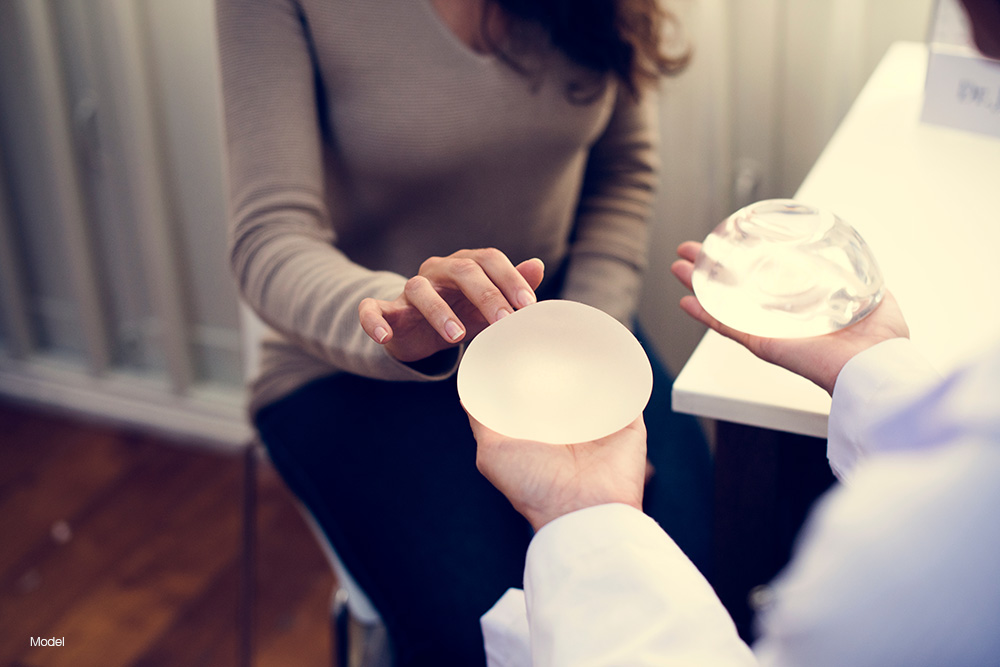
Choosing between silicone and saline breast implants is less about trends and more about how each implant behaves inside the body. While both options enhance breast shape and volume, they differ in feel, structure, age eligibility, and how changes appear over time.
Patients often assume silicone implants automatically provide better results, but saline implants still serve an important role in modern breast augmentation. The right choice depends on anatomy, tissue coverage, lifestyle, and personal comfort with visibility and maintenance.
Dr. Gabriel Chiu approaches implant selection by focusing on function first, aesthetics second. He helps patients understand how silicone and saline implants respond to movement, pressure, and aging so they can choose an option that fits both their goals and long-term expectations.
Understanding Breast Implant Basics
Both silicone and saline implants use a silicone outer shell. The difference lies in what fills that shell.
- Silicone implants contain a cohesive silicone gel.
- Saline implants are filled with a sterile saltwater solution.
Both options meet FDA safety standards and deliver reliable results when placed by an experienced plastic surgeon.
What Are Silicone Breast Implants?
Silicone breast implants contain a soft, cohesive gel that mimics the feel of natural breast tissue. Modern silicone implants differ significantly from earlier generations. Advances in gel consistency and shell durability have improved safety, longevity, and aesthetics.
Key Characteristics of Silicone Implants
- Soft, natural feel
- Smooth transitions along the breast contour
- Less visible rippling
- Stable shape over time
Silicone implants remain the most commonly chosen option for cosmetic breast augmentation in the United States.
What Are Saline Breast Implants?
Saline implants fill with sterile saltwater after placement. Surgeons insert the empty shell and fill it to the desired volume during surgery. This process allows for smaller incisions and adjustable sizing.
Key Characteristics of Saline Implants
- Firm feel compared to silicone
- Adjustable volume during surgery
- Immediate deflation if rupture occurs
- Slightly lower implant cost
Saline implants remain a viable option for select patients, particularly those with adequate natural tissue.
FDA Age Requirements for Silicone vs. Saline Implants
Age plays an important role in implant eligibility, and the FDA sets clear guidelines for cosmetic breast augmentation.
Saline Implants: Approved for Age 18 and Older
The FDA approves saline breast implants for cosmetic breast augmentation in patients 18 years and older. This makes saline implants the only option available for patients under 22 years old who seek cosmetic augmentation.
Silicone Implants: Approved for Age 22 and Older
The FDA approves silicone breast implants for cosmetic breast augmentation in patients 22 years and older. This age requirement reflects long-term safety data collection rather than a known risk specific to younger patients.
For reconstructive purposes, silicone implants are approved for patients under 22 years old. For cosmetic augmentation, patients must meet the age requirement.
Dr. Chiu discusses age eligibility during consultation and ensures patients understand all available options.
Silicone vs. Saline Breast Implants: Side-by-Side Comparison
| Clinical Consideration | Silicone Implants | Saline Implants |
| Fill material | Silicone gel | Sterile saltwater solution |
| FDA cosmetic age approval | 22 years and older | 18 years and older |
| Feel | Soft, mimic natural breast tissue | Firmer |
| Risk of visible rippling | Lower, especially in thin patients | Higher without adequate tissue coverage |
| Incision size | Requires a slightly larger incision | Allows a smaller incision due to post-placement filling |
| Rupture detection | Often silent; detected with imaging | Immediate deflation and visible volume loss |
| Aesthetic realism | Higher | Moderate |
| Overall aesthetic control | Greater blending with natural tissue | More defined shape depending on anatomy |
Both implant types can achieve beautiful results when chosen appropriately.
How Implant Type Affects Breast Appearance
Silicone Implants and Natural Contour
Silicone implants distribute weight evenly across the breast pocket. This creates smooth slopes and natural movement. Patients seeking subtle enhancement often prefer silicone implants because they blend seamlessly with existing tissue.
Saline Implants and Structural Definition
Saline implants maintain their volume through fluid pressure. This can create firmer edges and a rounder appearance. In patients with limited tissue coverage, saline implants may show rippling or edge visibility.
Dr. Chiu evaluates tissue thickness carefully before recommending saline implants.
Does Implant Type Affect Size Selection?
Yes, the implant material influences how volume translates visually.
- Silicone implants often appear slightly fuller at the same volume because of their softness and spread.
- Saline implants may appear smaller or firmer at equivalent sizes.
This distinction matters when patients reference a breast augmentation size guide. Dr. Chiu adjusts size recommendations based on implant type to maintain proportion and balance.
Rupture Behavior and Safety
Silicone Implant Rupture
Silicone implant rupture often occurs silently. The cohesive gel typically stays within the implant shell or surrounding capsule. Imaging, such as ultrasound or MRI, can detect rupture even when symptoms are absent.
Saline Implant Rupture
Saline implants deflate immediately if the shell breaks. The body safely absorbs the saline solution, and the breast quickly loses volume. This makes rupture detection obvious.
Both rupture types require implant replacement.
Capsular Contracture Risk
Capsular contracture occurs when scar tissue tightens around an implant. Proper surgical technique, implant placement, and post-operative care reduce risk.
Some studies suggest silicone implants may have slightly lower contracture rates when placed under the muscle. Dr. Chiu incorporates placement strategy into implant selection to support long-term comfort.
Who Is a Candidate for Silicone Implants?
Silicone breast implants often appeal to patients who prioritize how breasts feel and move, not just how they look. These implants suit individuals who want their augmentation to blend naturally with existing tissue and respond fluidly to body movement.
Patients who often select silicone implants include those who:
- Are 22 years or older, meeting FDA cosmetic guidelines
Have limited natural breast tissue and want smoother transitions - Prefer a soft, natural feel over structural firmness
- Want reduced visibility of implant edges
- Plan mid-range to larger implant volumes
Silicone implants work well for patients who value subtlety and realism, especially when tissue coverage is minimal. Dr. Chiu evaluates chest anatomy and skin elasticity to determine whether silicone will provide optimal blending and long-term comfort.
Who Is a Candidate for Saline Implants?
Saline breast implants suit patients who prioritize visibility, adjustability, and early eligibility. While less commonly chosen today, saline implants still offer advantages in specific situations when anatomy and expectations align.
Patients who may benefit from saline implants include those who:
- Are between 18 and 21 years old and seeking cosmetic augmentation
- Have adequate natural breast tissue to mask implant edges
- Prefer immediate rupture detection over silent monitoring
- Want smaller incision flexibility
- Choose modest volume increases
Saline implants require careful patient selection. Dr. Chiu assesses tissue thickness closely to minimize the risk of rippling or firmness. When used appropriately, saline implants can deliver predictable and satisfying results.
Longevity and Maintenance
Neither implant type lasts forever. Many patients keep implants 10–20 years or longer with proper monitoring. Implant replacement is based on rupture, capsular contracture, or aesthetic change rather than a fixed timeline. Regular follow-ups help maintain implant health regardless of type.
Schedule Your Breast Augmentation Consultation in Beverly Hills, CA
Choosing between silicone and saline breast implants requires personalized guidance. Dr. Chiu designs implant plans that balance aesthetics, safety, and longevity.
Schedule your breast augmentation consultation in Beverly Hills, CA, with Dr. Gabriel Chiu. Call Beverly Hills Plastic Surgery at (310) 888-8087 or complete our online consultation form. Our team will help you choose the implant option that best fits your body and goals with confidence.