
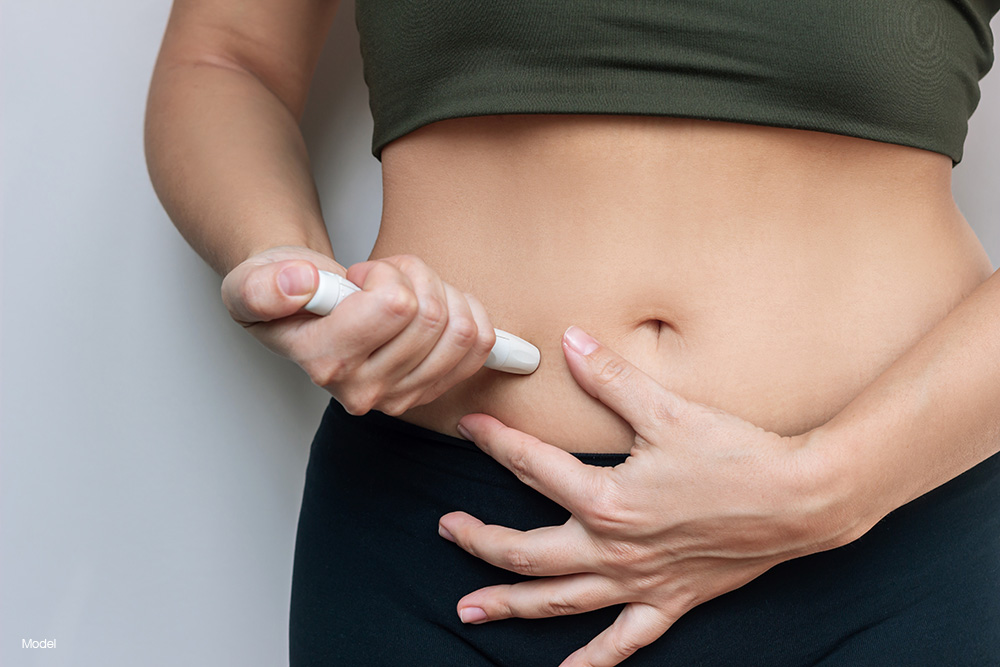
If you take semaglutide (Ozempic®, Wegovy®) or another GLP-1 medication and are considering cosmetic surgery, anesthesia safety should be part of your consultation from the beginning. The most important semaglutide anesthesia risks relate to delayed stomach emptying, nausea, vomiting, and the rare but serious concern of pulmonary aspiration during general anesthesia or deep sedation.
That does not mean semaglutide automatically makes surgery unsafe. It means your plastic surgeon, anesthesia provider, and prescribing provider need a clear plan before your procedure. At Beverly Hills Plastic Surgery®, Dr. Gabriel Chiu’s approach to weight loss management includes physician supervision, medical history review, and a customized treatment plan based on each patient’s body, health, and goals.
What Patients Need To Know About Semaglutide Anesthesia Risks
Semaglutide is a GLP-1 receptor agonist. Semaglutide mimics a natural gut hormone, helps regulate blood sugar, slows the movement of food through the stomach, helps you feel fuller longer, and decreases appetite.
That slower stomach emptying created greater risk for anesthesia complications. Semaglutide can prolong the time food or fluid remains in the stomach, leaving residual gastric content. It’s required to stop semaglutide medications at least two weeks before your procedure to avoid any complications.
Ozempic® delays gastric emptying. It can cause pulmonary aspiration in patients taking GLP-1 receptor agonists during elective surgeries or procedures that require general anesthesia or deep sedation, even when patients follow preoperative fasting instructions.
Pulmonary aspiration means stomach contents enter the lungs. This can cause serious complications, which is why disclosure matters. If you take semaglutide, your surgical team needs to know before your procedure, not on the day of surgery.
Why Semaglutide Can Matter Before Cosmetic Surgery
Many cosmetic surgery procedures use sedation or general anesthesia. Anesthesia options may include local, sedation, or general anesthesia, and the type selected depends on the procedure, surgical complexity, the length of surgery, and the patient’s health.
This is why semaglutide use should be part of your preoperative discussion. Your medication may affect anesthesia planning, fasting instructions, and whether your surgery should move forward as scheduled.
You should tell your care team if you take:
- Ozempic®
- Wegovy®
- Semaglutide
- Mounjaro®
- Zepbound®
- Tirzepatide
- Retatrutide
- Any compounded GLP-1 medication
You should also share your dose, injection schedule, start date, recent dose changes, side effects, prescribing provider, and whether you take the medication for weight loss, diabetes, or another medical reason.
Do You Have To Stop Semaglutide and Other GLP-1 Medications Before Surgery?
Not always. Guidance has changed as experts have learned more about GLP-1 medications and anesthesia safety.
Most patients can continue taking GLP-1 medication before surgery, but they should consult their anesthesiologist, surgeon, and prescribing physician to safely manage the medication.
This is important because stopping semaglutide is not risk-free for every patient. If you take it for diabetes, stopping the medication may affect blood sugar control. High blood sugar can raise surgical risk, so your team must balance the benefit of delaying a dose against the risks of stopping treatment.
The right plan depends on your health, side effects, procedure, anesthesia type, and whether you are in a higher-risk period of treatment.
When Semaglutide May Increase Anesthesia Concern
You may need extra precautions if you have active digestive symptoms or have recently changed your medication dose.
You should tell Dr. Chiu and your anesthesia team if you have:
- Nausea
- Vomiting
- Bloating
- Constipation
- Stomach pain
- Reflux symptoms
- A recent dose increase
- A missed or restarted dose
- Rapid weight loss
- Poor appetite or poor nutrition
- Diabetes or blood sugar concerns
These details help your team decide whether you can safely proceed, need modified instructions, or should wait until your symptoms improve.
What Extra Precautions May Reduce Risk?
Stopping GLP-1 medications at least two weeks before your surgery will reduce anesthesia risks. A gastric ultrasound may be used on the day of surgery to assess whether the stomach is empty.
These steps do not replace your surgeon’s instructions. Your safest plan must come from your care team, as your medication history, health, procedure, and anesthesia plan all matter.
Do not stop semaglutide on your own before surgery. Do not restart it without guidance after surgery. Your prescribing provider and surgical team should coordinate instructions, especially if you take semaglutide for diabetes or have significant gastrointestinal symptoms.
Why Choosing The Right Provider Matters
Semaglutide-related anesthesia planning is not only about the medication. It is about the full patient picture. Your surgeon needs to understand your cosmetic goals, medical history, current weight, weight loss timeline, nutritional status, and procedure plan.
Beverly Hills Plastic Surgery®’s weight loss management program, supervised by board-certified plastic and reconstructive surgeon Dr. Gabriel Chiu, is built around doctor supervision, patient safety, nutritional changes, increased exercise, and individualized treatment planning. For cosmetic surgery patients, weight loss management can reduce the risk during surgery and recovery.
That type of coordination matters when you take semaglutide and want elective cosmetic surgery. Dr. Chiu can review your goals, medications, and surgical timeline to help you understand whether now is the right time for surgery or whether your plan should be adjusted first.
FAQ About Semaglutide And Anesthesia
Is semaglutide dangerous with anesthesia?
Semaglutide is not automatically dangerous with anesthesia, but it can raise specific concerns because it delays stomach emptying. Ozempic® labeling reports rare cases of pulmonary aspiration during general anesthesia or deep sedation in patients taking GLP-1 receptor agonists.
What is pulmonary aspiration?
Pulmonary aspiration happens when stomach contents enter the lungs. In the context of semaglutide, the concern is that delayed gastric emptying may leave residual stomach contents even after standard fasting instructions.
Should I stop Ozempic® or Wegovy® before cosmetic surgery?
You should not stop Ozempic®, Wegovy®, or semaglutide without medical guidance. Most patients can continue GLP-1 medication before surgery, but your surgeon, anesthesiologist, and prescribing provider should decide what is safest for you.
What should I tell my plastic surgeon?
Tell your plastic surgeon the exact medication name, dose, injection schedule, start date, recent dose changes, side effects, and the reason you take it. The Ozempic® label instructs patients to inform healthcare providers before planned surgeries or procedures if they are taking Ozempic®.
Can I still have cosmetic surgery if I take semaglutide?
You may still be a candidate for cosmetic surgery while taking semaglutide. Your care team needs to evaluate your medication use, symptoms, health history, weight stability, nutritional status, and anesthesia plan before making that decision.
Schedule A Consultation With Dr. Gabriel Chiu In Beverly Hills, CA
If you take semaglutide, Ozempic®, Wegovy®, or another GLP-1 medication, your next step is a personalized surgical consultation, not guesswork. At Beverly Hills Plastic Surgery® in Beverly Hills, CA, Dr. Gabriel Chiu can review your medication history, weight loss progress, cosmetic goals, and anesthesia considerations to help you plan safely and confidently.
To schedule a consultation, call (310) 888-8087 or complete our online consultation form.