
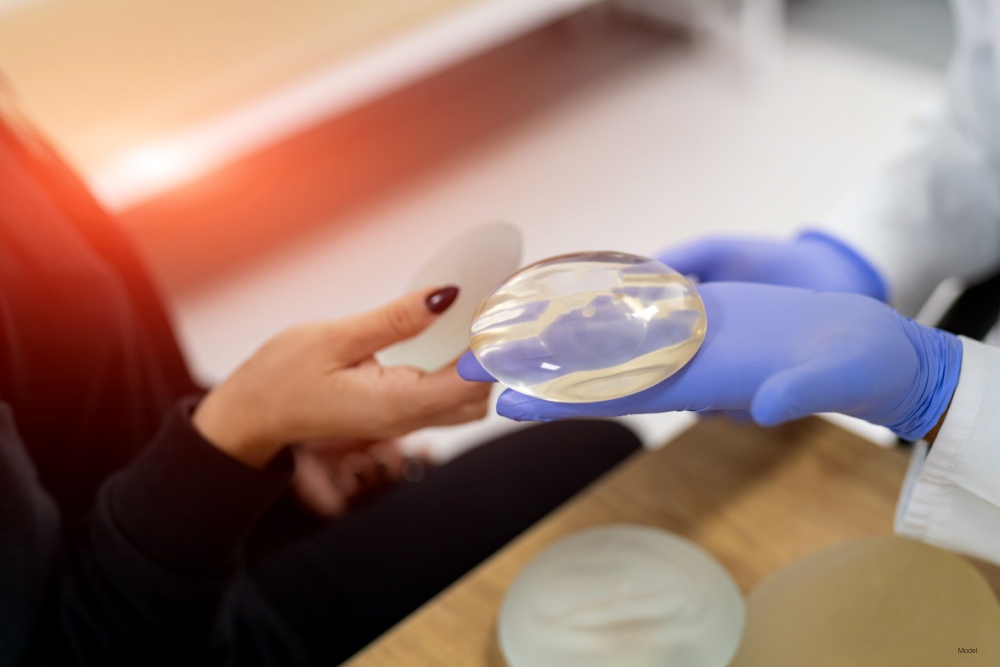
Breast implants do not have an expiration date, but they do not last forever. Many patients ask an essential question years after surgery: What happens if you don’t replace breast implants? The answer depends on the implant condition, how your body changes over time, and whether any complications develop.
Understanding what is normal, what is not, and when replacement becomes necessary helps patients make informed decisions about long-term breast implant care.
Breast Implants Are Not Lifetime Devices
Modern breast implants offer improved durability, but no implant lasts a lifetime. Many patients keep their implants 10 to 20 years or longer without problems. Replacement is necessary only if an issue arises or a patient requests a change.
Some patients assume implants must be replaced on a fixed schedule. That belief is outdated. Surgeons now recommend monitoring implants rather than automatically replacing them.
What Happens If Implants Remain Intact and Asymptomatic
If implants remain intact and cause no symptoms, patients may not need replacement. Many women live comfortably with their original implants for years.
In these cases:
- Breast shape remains stable
- No pain or tightness develops
- Imaging shows no rupture
- The patient feels satisfied with their appearance
Routine follow-up visits and appropriate imaging help confirm implant integrity over time.
Silent Changes That Can Occur Over Time
Even without apparent symptoms, changes may still happen.
Silicone implant rupture often occurs silently. Patients may not notice a change in size or shape. Imaging, such as ultrasound or MRI, can detect rupture before symptoms appear.
Capsular contracture may develop gradually. Scar tissue around the implant can tighten, leading to firmness, discomfort, or shape distortion. Mild cases may remain stable, while more advanced cases often require surgery.
Breast tissue changes also occur naturally with aging, pregnancy, or weight fluctuation. These changes may affect how implants look even when the implants themselves remain intact.
What Happens If a Ruptured Implant Is Not Replaced
Leaving a ruptured implant untreated can lead to complications.
With saline implants, rupture causes immediate deflation. The body absorbs the saline safely, but the breast loses volume and shape. Surgical replacement becomes necessary to restore symmetry.
With silicone implants, an untreated rupture may allow gel to remain trapped within the capsule. Over time, this can increase inflammation or contribute to capsular contracture. Most surgeons recommend removing or replacing ruptured silicone implants once detected.
Risks of Delaying Implant Replacement
Delaying replacement when a problem exists can increase surgical complexity later. Scar tissue may thicken, implants may shift, and surrounding tissue may weaken.
Addressing issues earlier often allows for simpler revision surgery and better aesthetic outcomes.
When Replacement Is Usually Recommended
Surgeons often recommend implant replacement or removal when:
- Imaging confirms rupture
- Capsular contracture causes pain or distortion
- Implants shift or bottom out
- The patient wants a size or implant type change
- Breast shape changes significantly with age
Replacement does not always mean inserting new implants. Some patients choose implant removal with or without fat transfer or a breast lift.
How Dr. Chiu Approaches Long-Term Implant Care
During follow-up visits, Dr. Gabriel Chiu evaluates the condition of the implant, the health of the breast tissue, and the patient’s concerns. He uses imaging when appropriate and discusses all available options rather than defaulting to replacement.
This personalized approach allows patients to make decisions based on medical need and aesthetic goals rather than fear or outdated timelines.
Monitoring Breast Implants Over Time
Patients with breast implants should:
- Attend routine follow-up appointments
- Report changes in firmness, shape, or comfort
- Follow imaging recommendations for silicone implants
- Maintain awareness of breast health
Proactive monitoring helps detect issues early and supports long-term safety.
Is It Safe to Keep Breast Implants Long Term?
Yes, many patients safely keep their implants for decades. The key lies in awareness and monitoring. Ignoring symptoms or skipping recommended imaging increases risk.
Replacement is necessary only when a problem arises or personal goals change.
Schedule a Breast Implant Consultation in Beverly Hills
If you have breast implants and wonder whether replacement is necessary, a professional evaluation provides clarity. Dr. Gabriel Chiu offers personalized consultations to assess implant condition and discuss next steps.
To learn more about breast augmentation surgery, schedule a consultation, call (310) 888-8087 or complete the online consultation form at Beverly Hills Plastic Surgery®. Our team will help you plan confidently for your long-term breast health.